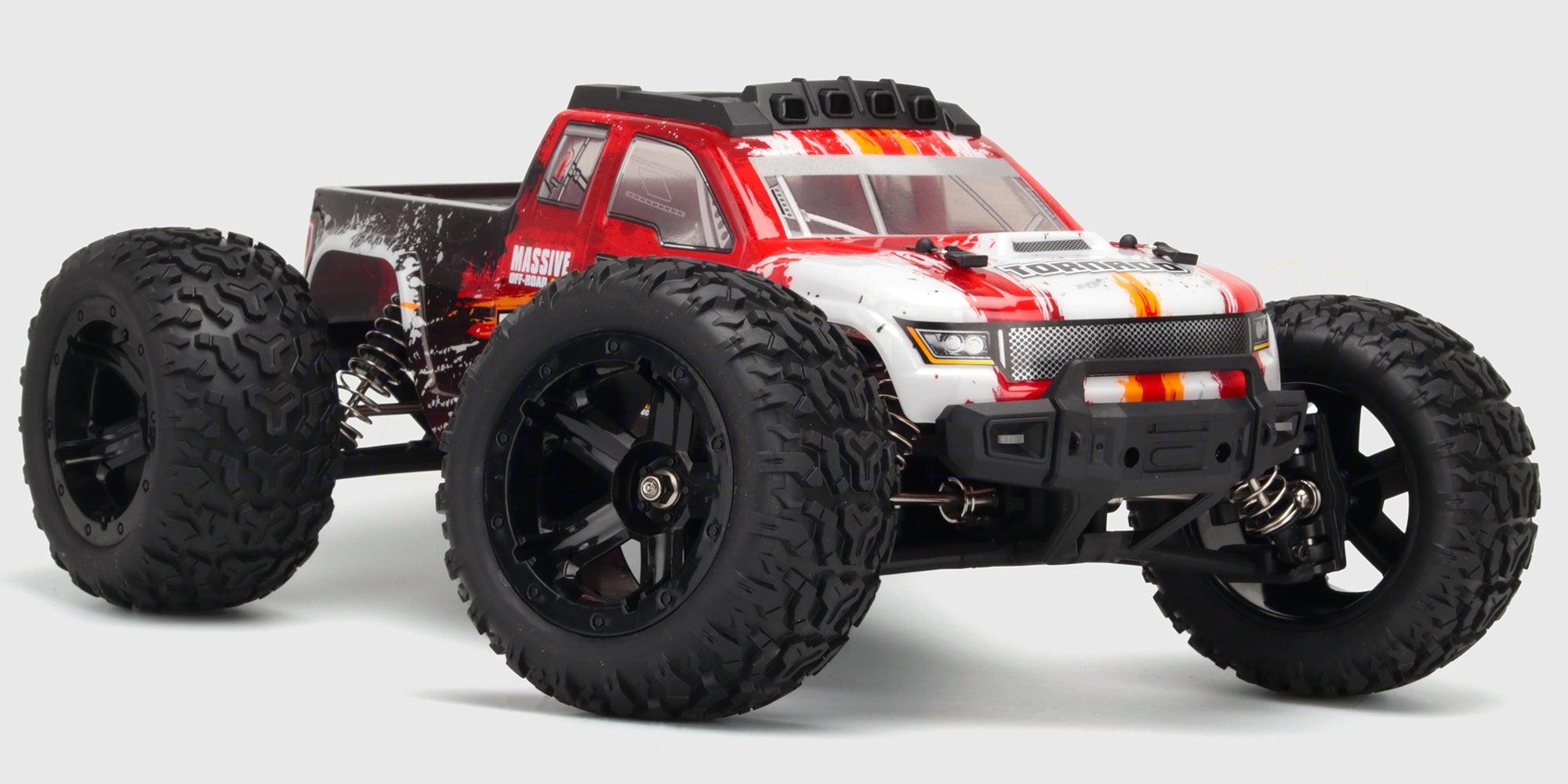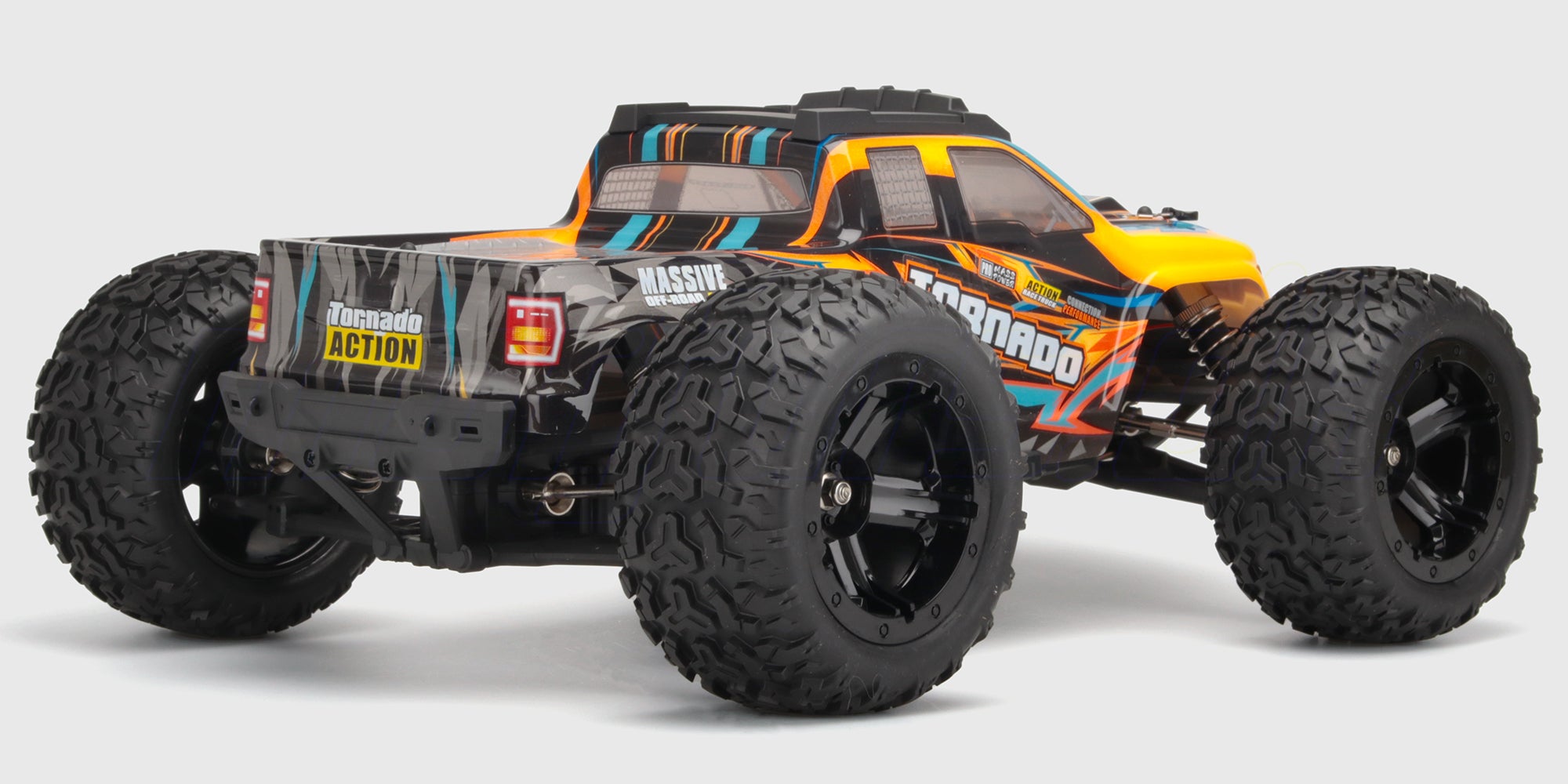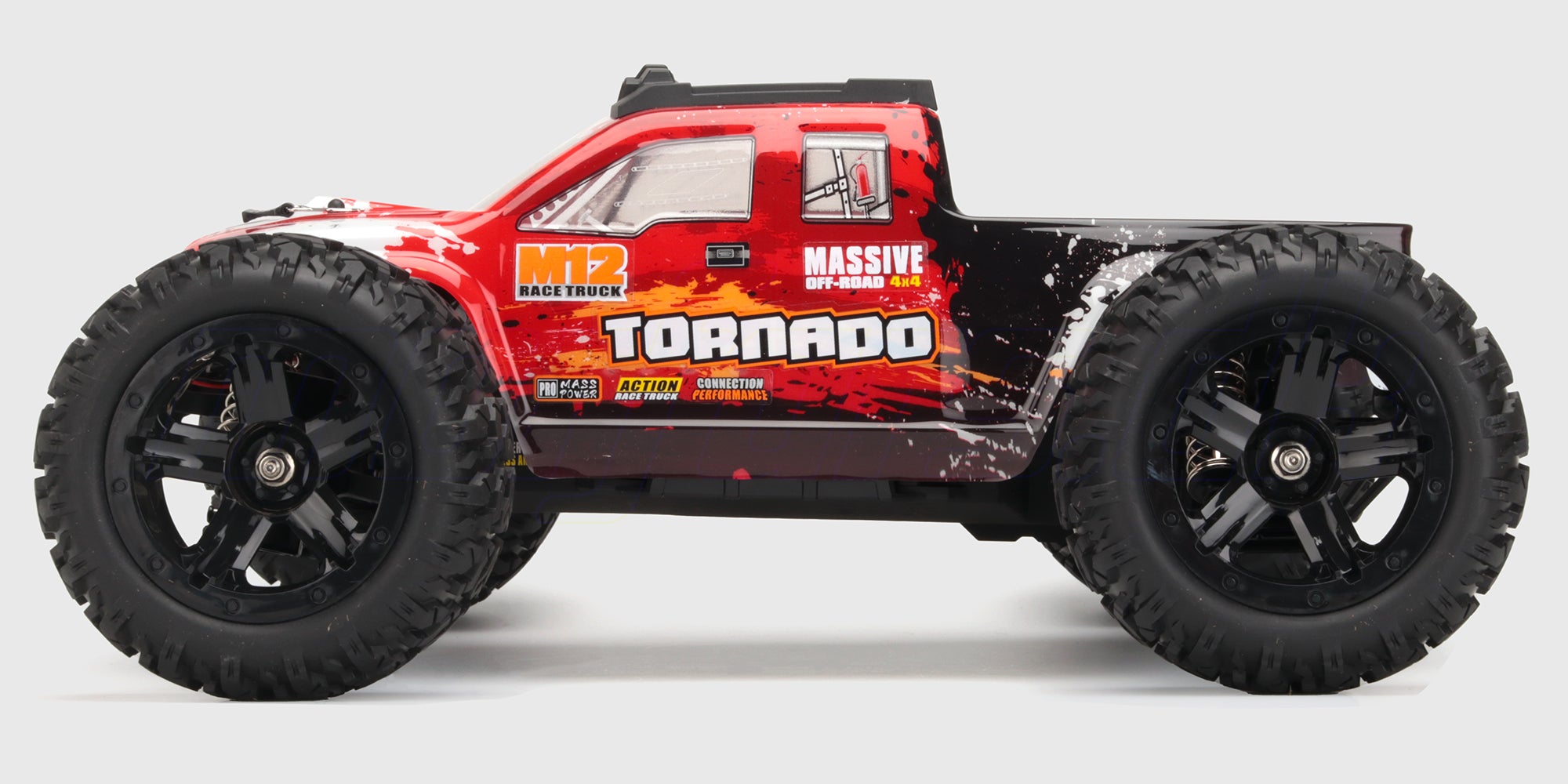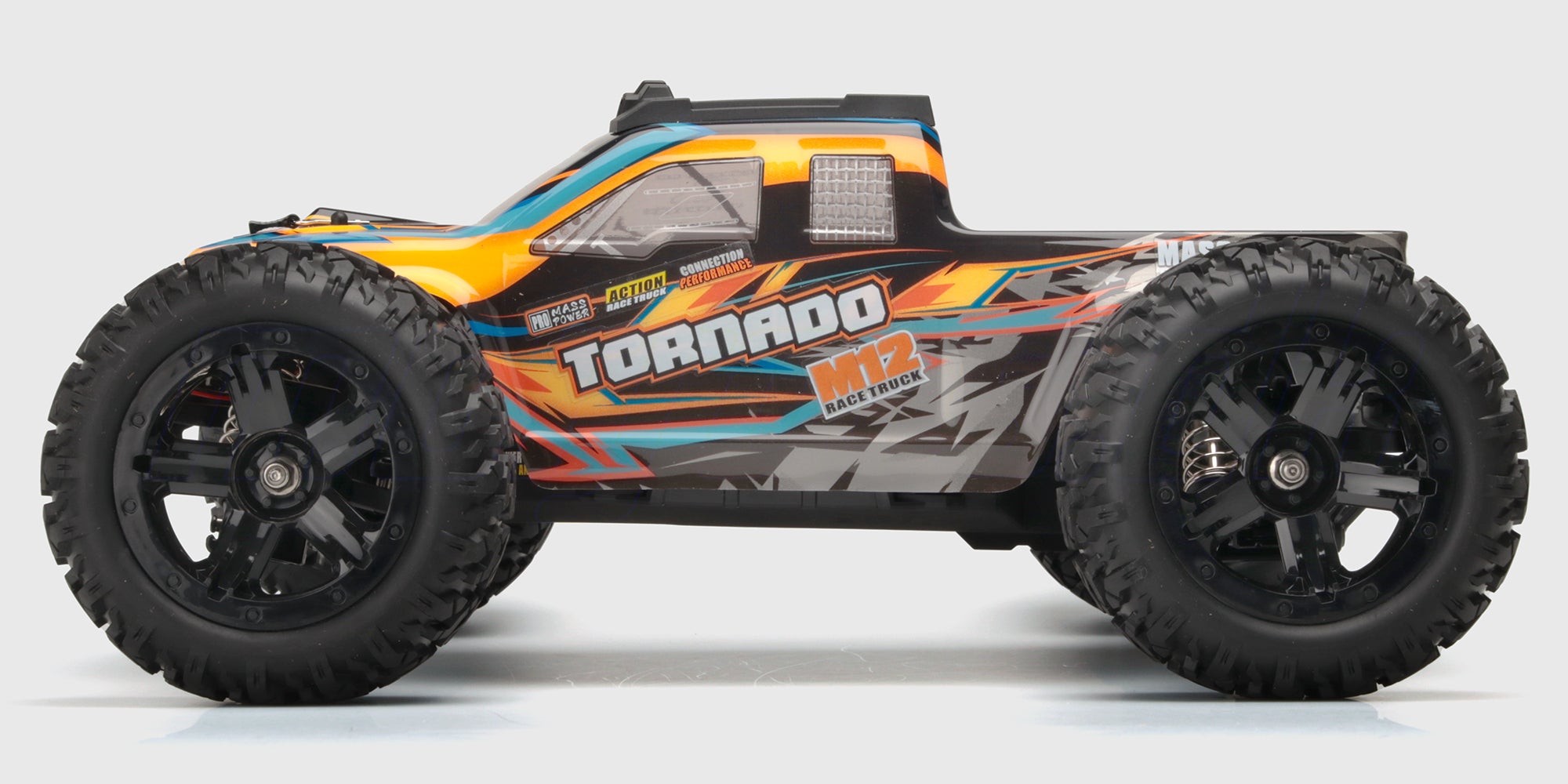

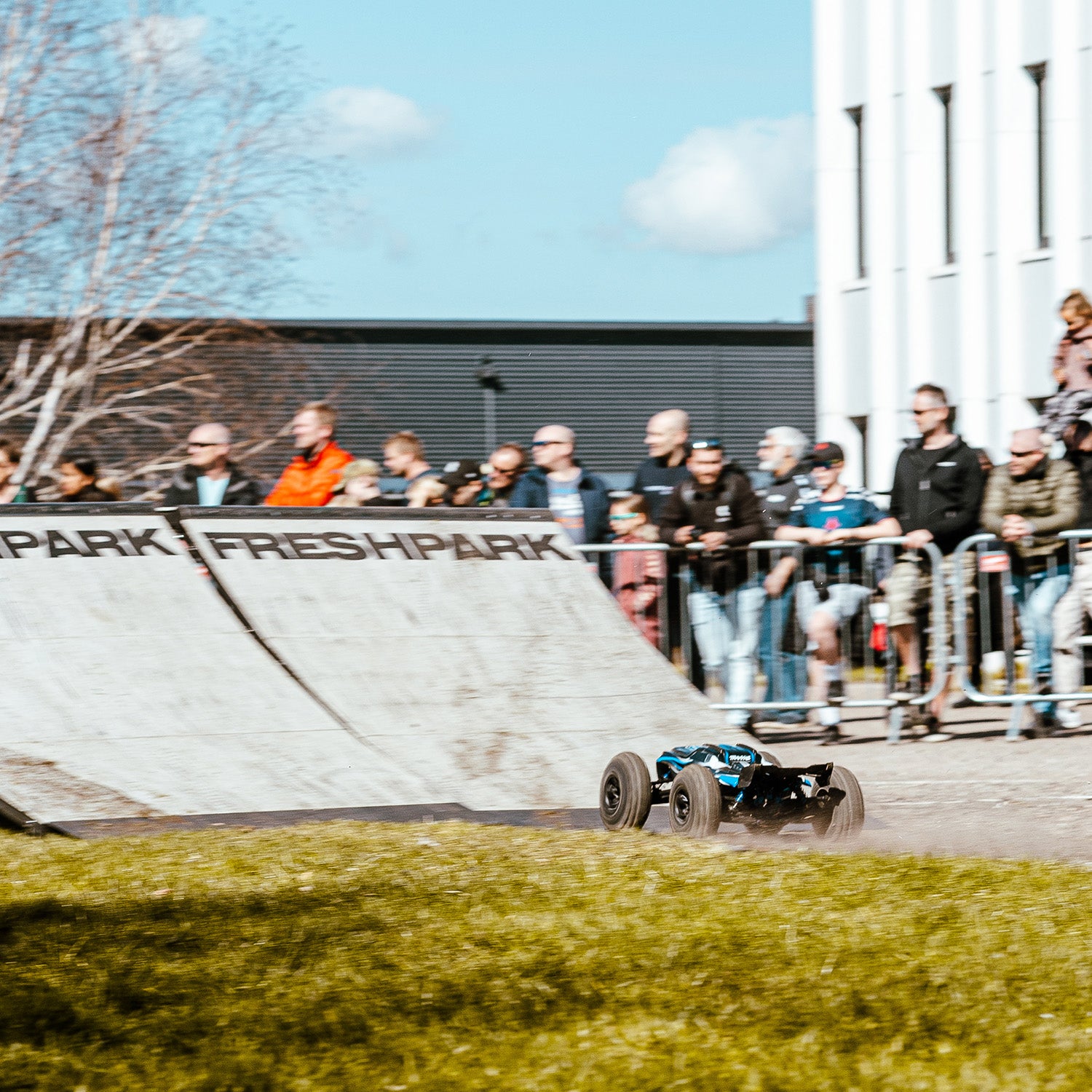
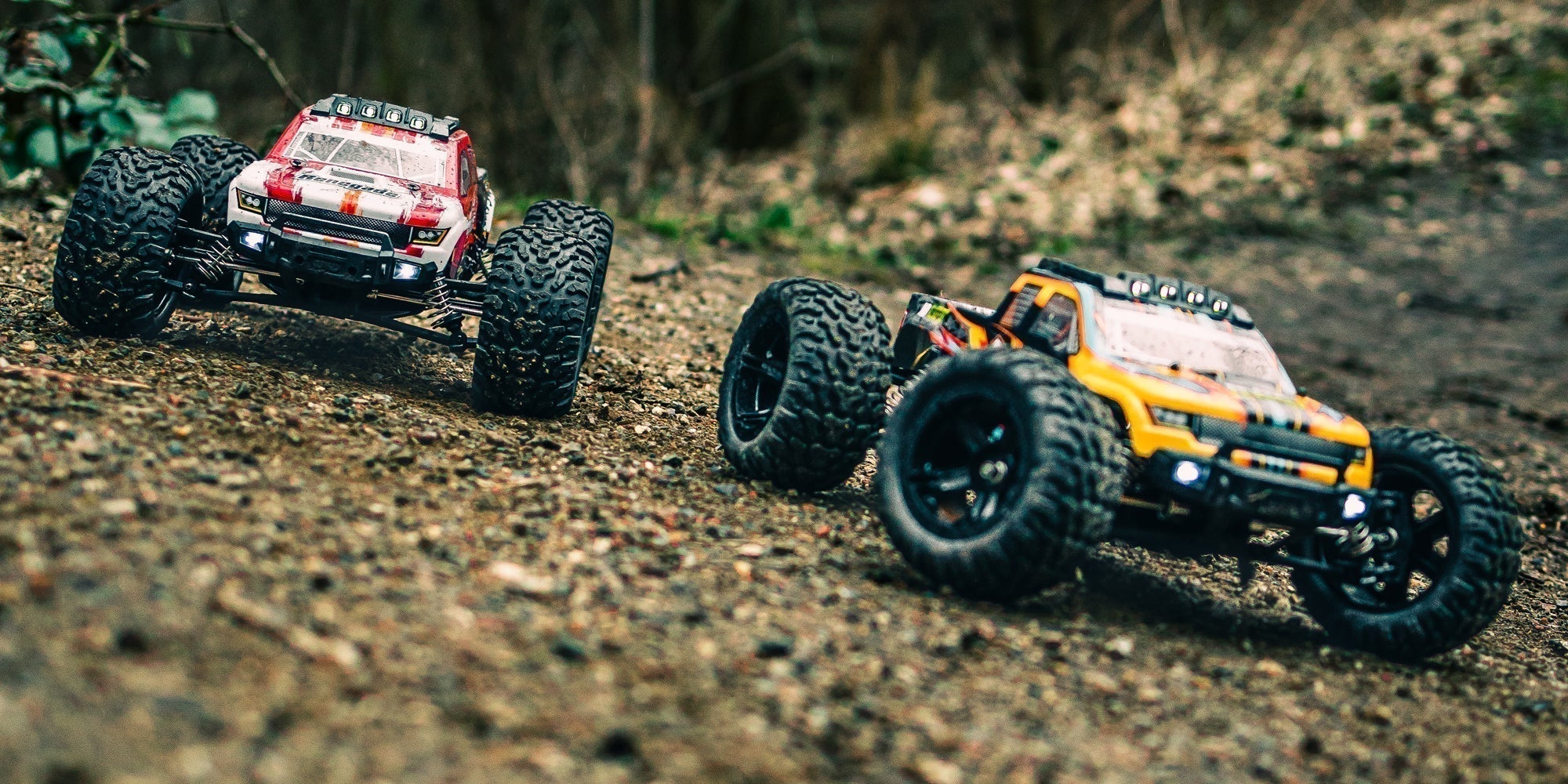
When the kids are driving around in the yard or park, the small indoor models just don't cut it. For a great driving experience, you'll need an RC car with big tires, good ground clearance, and high durability. In the yard, it's all about getting over obstacles rather than top speed, so the car can actually chew through the grass without getting stuck or overloading the mechanics.
3 Solid Choices for an RC Car for the Yard
We've selected three different cars, all built to handle grass and equipped with water-protected electronics, so they can handle damp grass and small puddles with no trouble.
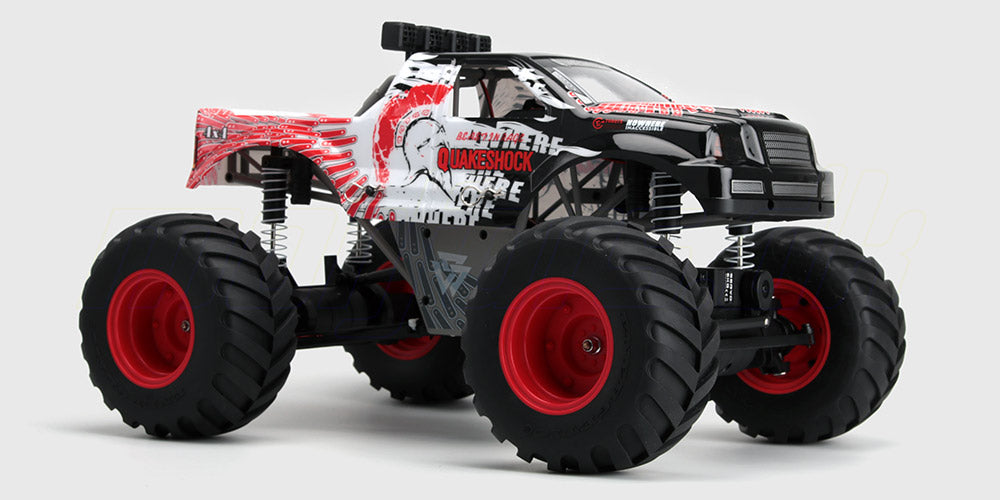
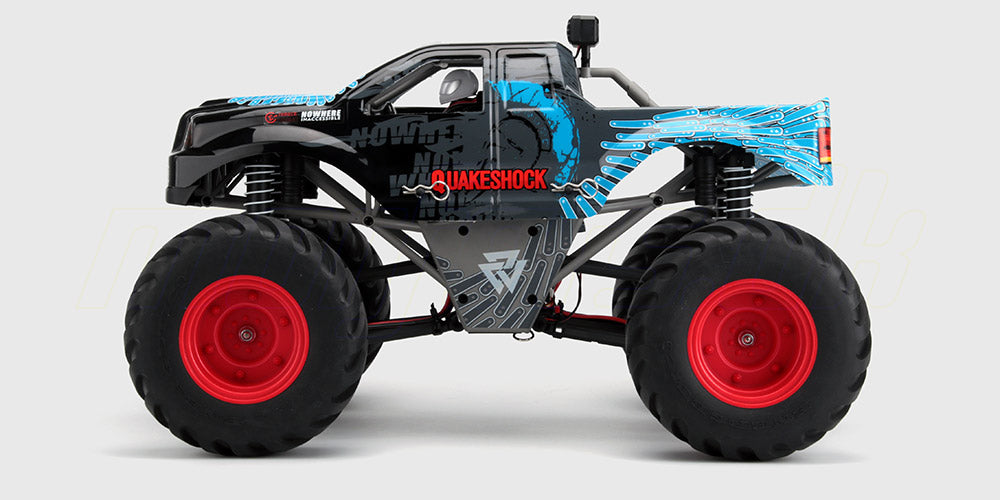
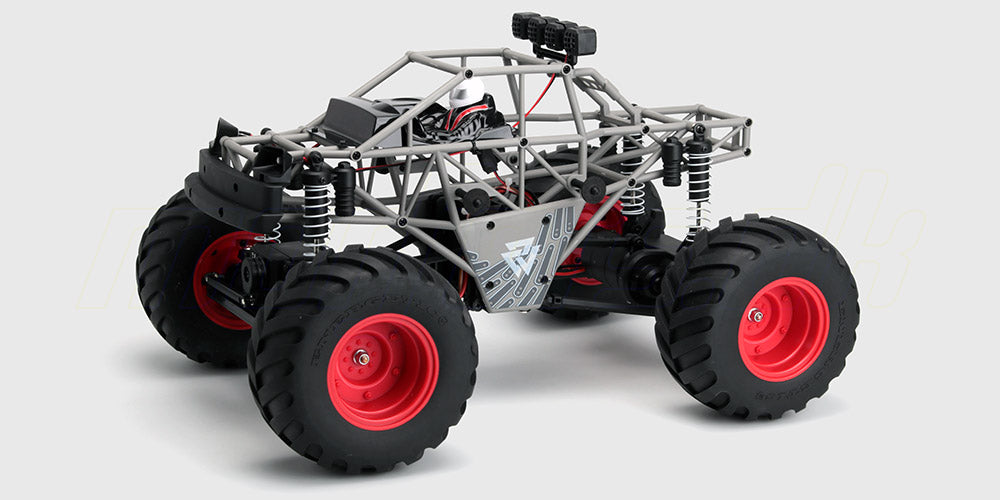
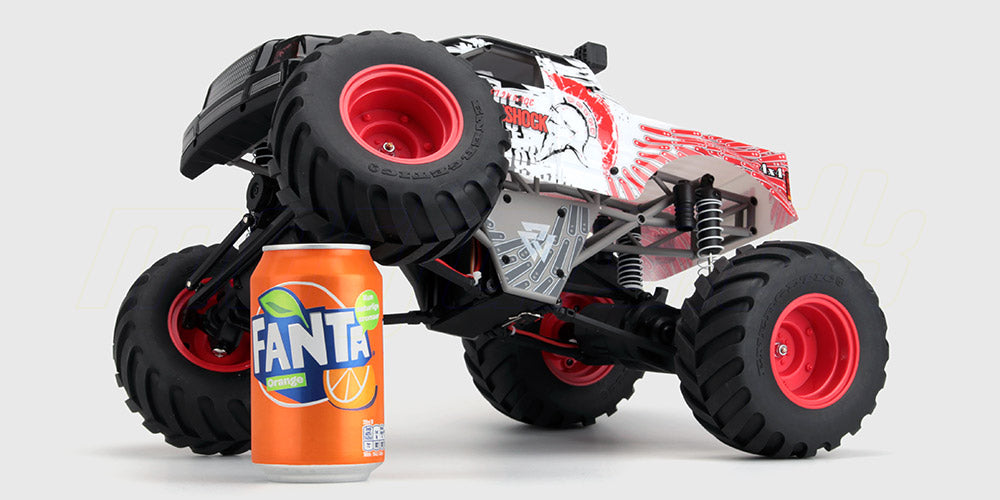
Quakeshock – Robust Beginner Car for the Youngest

- Adjustable Speed: The top speed of the Quakeshock is 20 km/h, but you can dial it down on the remote control. It's perfect for beginners.
- Water-Protected: The electronics are shielded against moisture, so you can confidently drive on a damp lawn.
- Driving Time: A standard battery is included, but for extended garden fun, you might want to upgrade to a larger battery pack.
Hammer – Large and Stable Stadium Truck

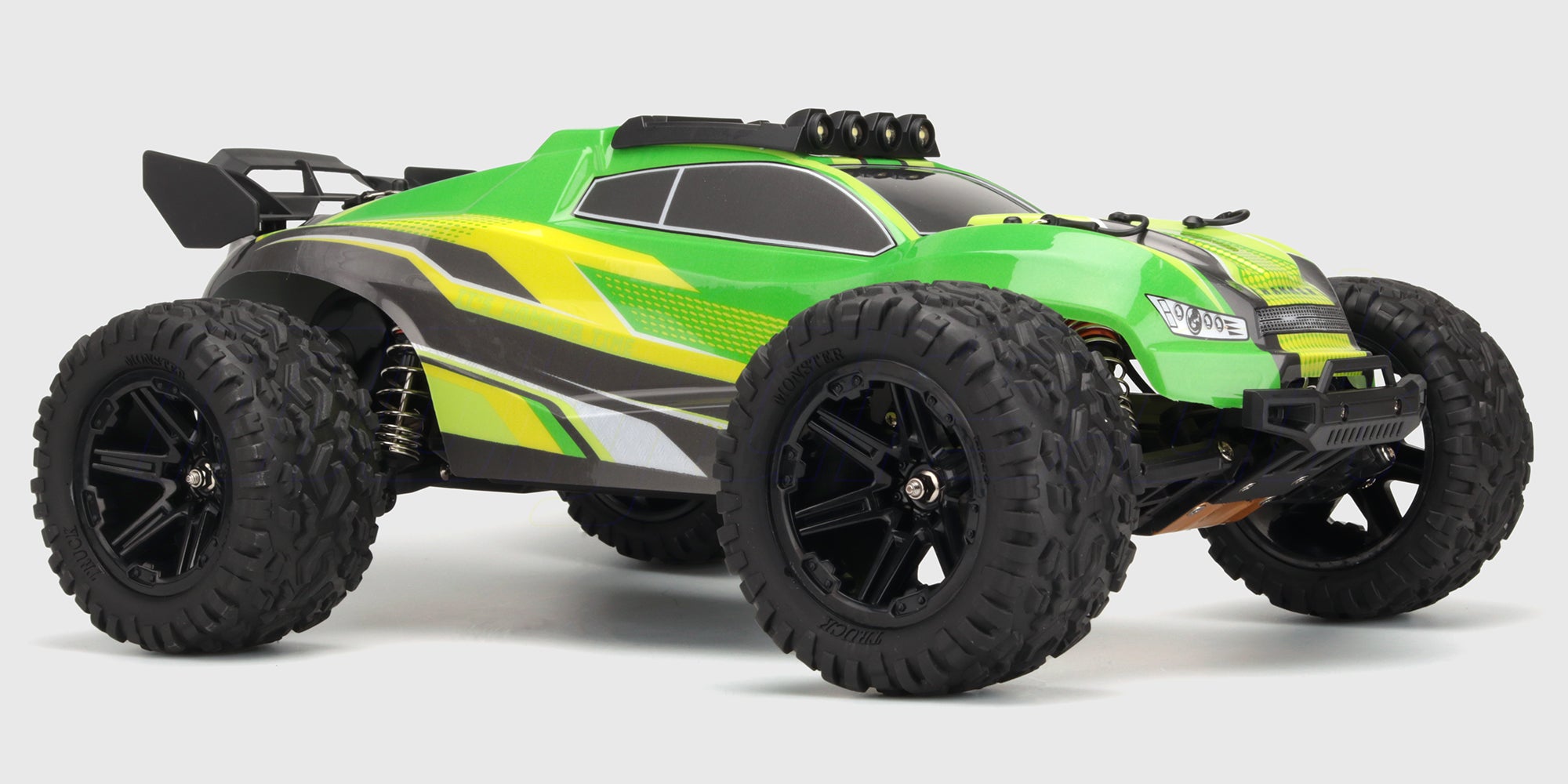
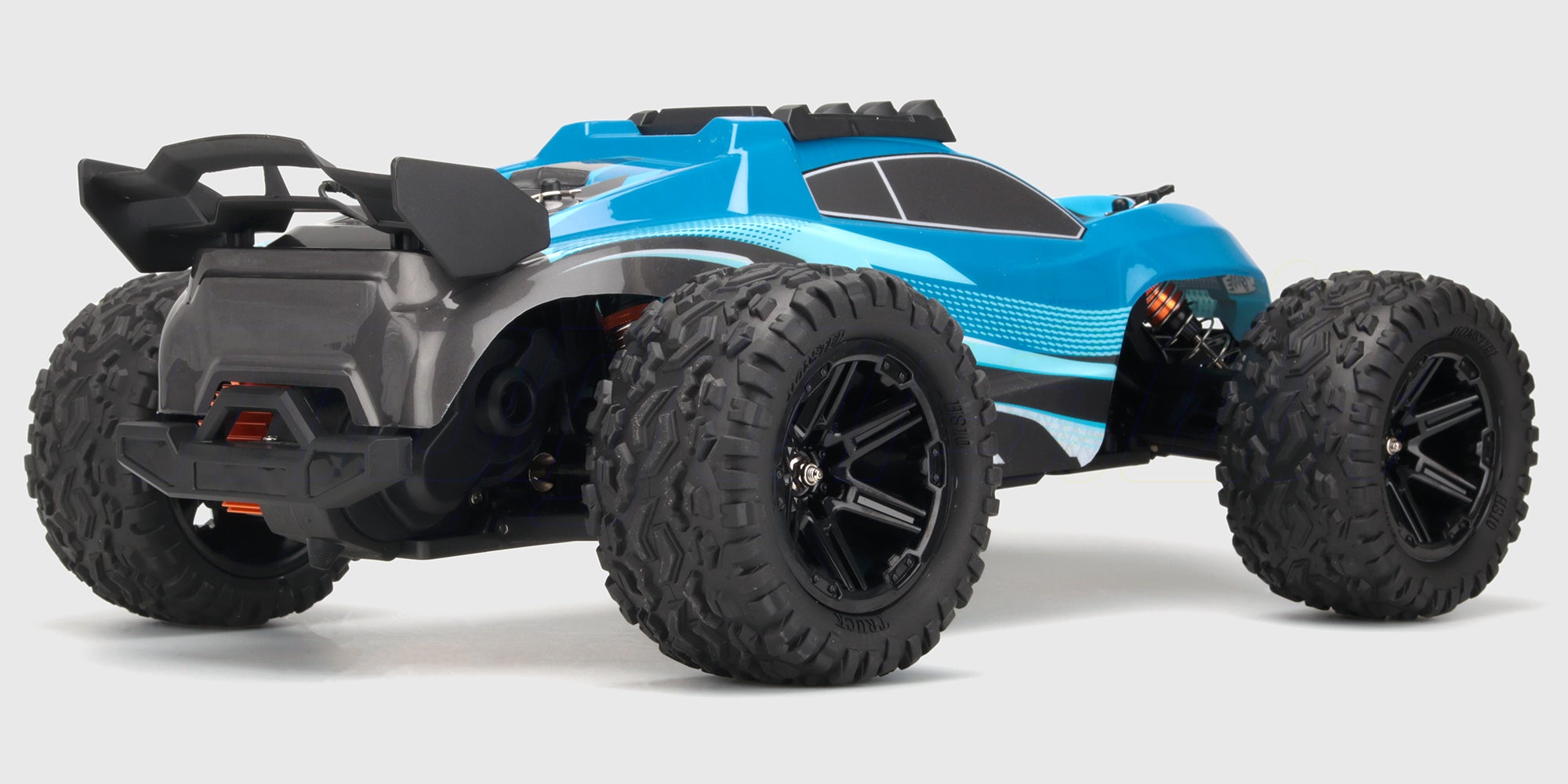
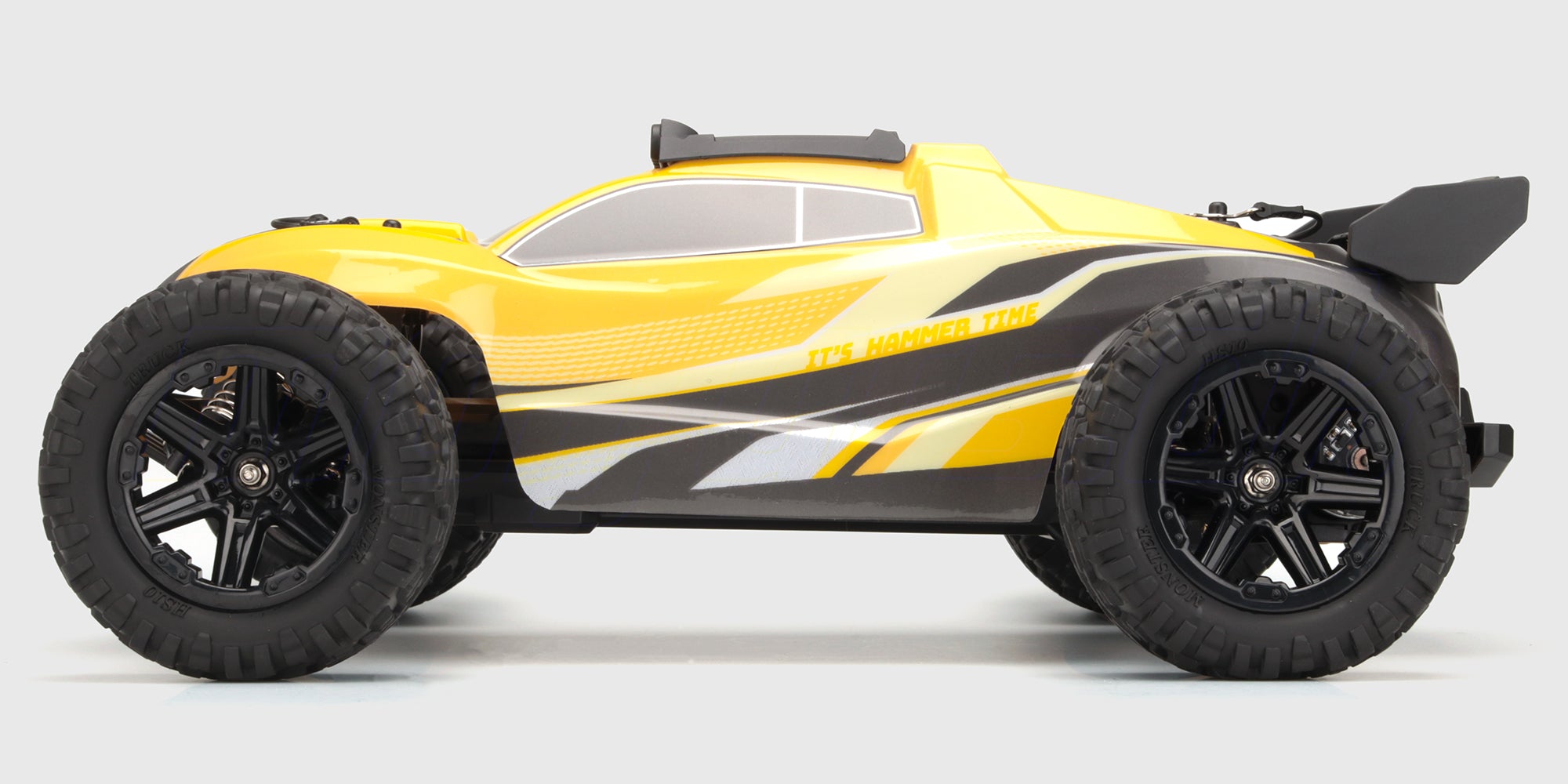
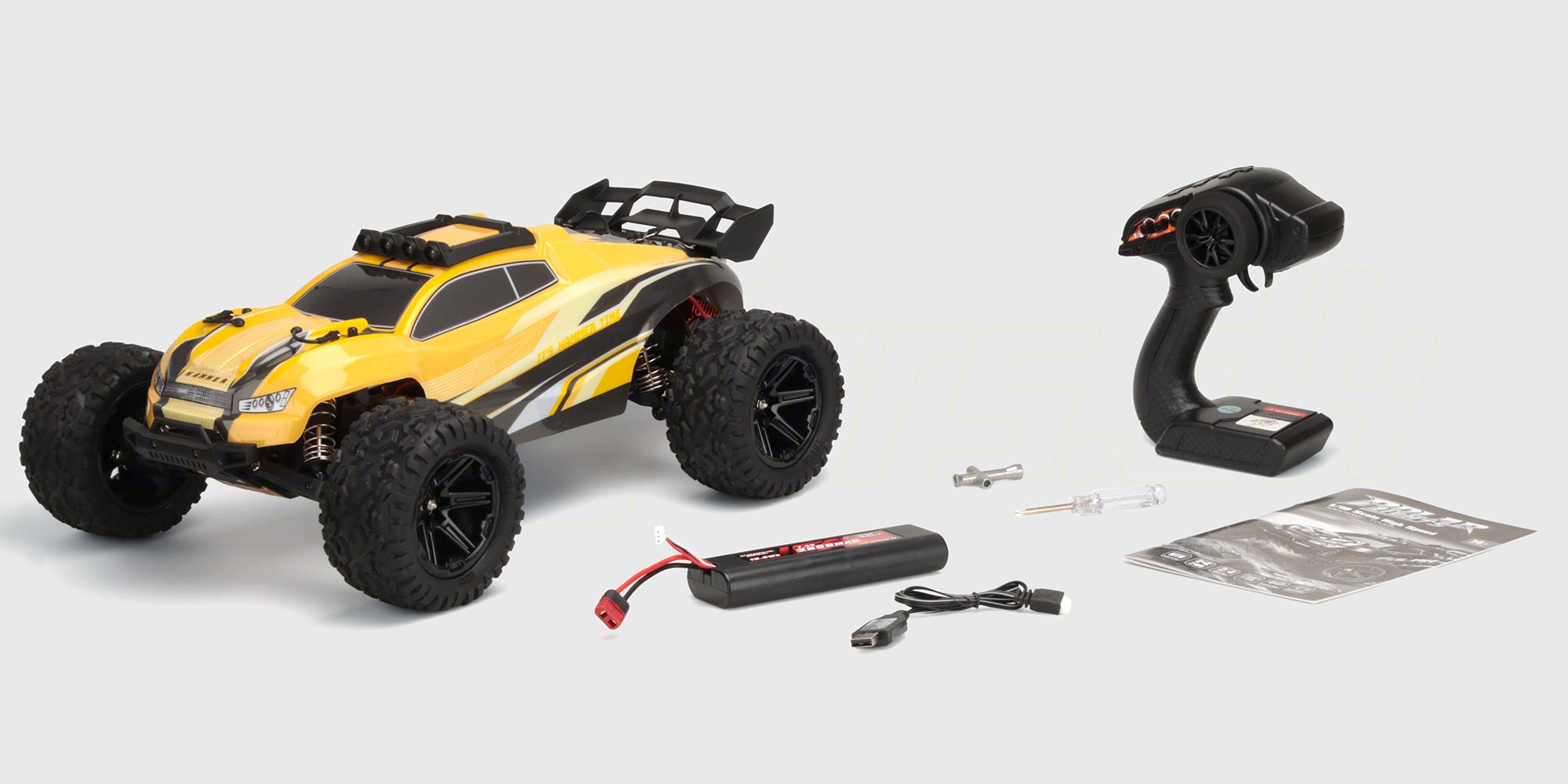
Hammer is a large-scale 1:8 RC car. Its size makes it much easier for kids to handle because it stays steady on the ground and doesn’t "bounce" over small holes in the lawn. This rear-wheel-drive model has been upgraded with a more powerful motor and a larger battery to effectively handle the resistance of the grass.
- Solidly Built: To boost durability, the chassis of the Hammer is protected with metal plates, and it’s equipped with XL shock absorbers.
- Full Control: The top speed is approximately 35 km/h, but like the smaller models, you can lower the speed on the transmitter.
- Ready for Anything: Hammer is fully water-protected and comes with a cool light kit, so it looks realistic on the grass.
Tornado Brushless – Power and Speed for the Big Kids

Tornado Brushless is for those who want serious power. It features an extremely powerful brushless motor, sending loads of energy to the big wheels. It’s one of the best RC cars for the price if you’re looking for a car that won’t be stopped by a bit of terrain.
- Strong Mechanics: To handle the power, the Tornado is built with a steel drivetrain and full ball bearings.
- High Speed: With a top speed of 45 km/h, it’s really got some serious speed. The adjustable oil shocks ensure good contact with the ground.
- Water-Protected: The electronics are water-protected, so it can handle driving in damp weather. Learn more about the Tornado here.
Room for Speed: When the Fun Moves Outside
Indoor driving often results in scratches on door frames and frustration over lack of space. When we take the RC cars outside, they really get to work. This is where you truly learn to maneuver your gear around roots, holes, and hills.
An RC car that can drive in the yard often gets used more because the terrain keeps changing. It just requires choosing a model built for the task so the motor isn’t overloaded by the resistance grass offers to small wheels.
What to Look For
A flat race car won't do on the lawn. Here’s what we look for at Morfars:
- Big Tires: Coarse treads ensure the RC car can grip both dirt and grass.
- Ground Clearance: There needs to be space under the chassis so the car doesn't "belly" on the grass.
- Water Protection: It's essential that the electronics are shielded from moisture from the grass or a little puddle.
Maintenance After the Ride
After a spin in the dirt and grass, it's good to check the RC car. It significantly extends its lifespan:
- Clear Grass: Always check the wheel axles. Grass and hair can wind around and create resistance that might overload the motor.
- Wipe Down: If the car gets wet, wipe it with a cloth. Never leave it in a bag if it’s wet.
- Tightening: Vibrations can loosen screws over time—especially check the steering occasionally.
- Battery Care: Let the battery cool for 10-15 minutes after the ride before charging it again.
Are you still unsure which model suits your needs? Then check out our comprehensive guide: Which RC Car Should I Choose?